
The modern American lawn is far more than a patch of green; it is a living extension of the home, a psychological buffer against the bustle of the world, and a significant asset to a property’s value. Yet, for many homeowners, the quest for a pristine landscape feels like a constant battle against the elements. Transforming a lackluster yard into a lush sanctuary requires moving beyond the surface-level chore of “cutting the grass.” It demands a sophisticated understanding of botanical health, seasonal rhythms, and the delicate interplay between turf and timber.
True curb appeal is found at the intersection of two critical disciplines: residential mowing and bed cleaning. While the former provides the structured frame of the landscape, the latter provides the artistic detail. Together, they create a balanced ecosystem that thrives on precision rather than guesswork. For the discerning homeowner, mastering these techniques is the first step in turning a standard yard into a horticultural masterpiece.
The Architecture of the Mow: Engineering a Healthier Lawn
To the uninitiated, mowing is a mechanical task. To the expert, it is an act of surgery. Every pass of the blade affects the plant’s ability to photosynthesize, store energy, and resist disease. Achieving a professional finish begins with the equipment.
Gas vs. Electric: The Power Dynamic
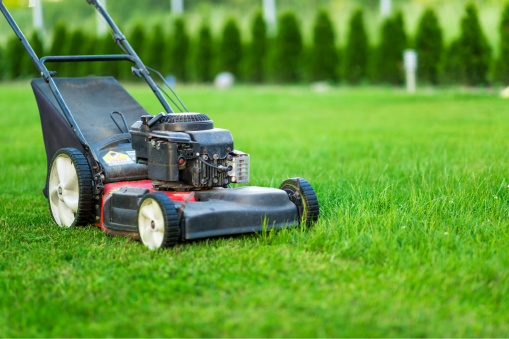
The debate over the “perfect” mower is often dictated by the size and topography of the property. Gas mowers remain the industry workhorse for expansive lawns. Their high torque and wider cutting decks allow them to tackle thick, neglected turf with ease. However, they carry a heavy environmental footprint and require a rigorous maintenance schedule of oil changes and spark plug replacements.
Conversely, the rise of lithium-ion technology has made electric mowers a formidable contender for the average residential lot. These machines are virtually silent, produce zero local emissions, and offer the convenience of push-button starts. While battery life remains a consideration for larger estates, the “plug-and-play” nature of electric mowing aligns with the modern push for sustainable, low-maintenance living.
The Golden Rule of Height
Perhaps the most common error in lawn care is “scalping”-cutting the grass too short in hopes of extending the time between mows. This puts the plant into a state of shock. Kentucky Bluegrass, a staple of cool-season lawns, thrives at 2.5 to 3.5 inches. Maintaining this height allows the blades to shade the soil, reducing water evaporation and preventing weed seeds from reaching the sunlight they need to germinate. Taller grass also correlates with deeper root systems, making the lawn significantly more resilient during the scorching summer months.
Timing the Cut: Working with the Clock and the Clouds
In the world of residential mowing and bed cleaning, timing is everything. Mowing at the wrong hour can leave your lawn vulnerable to fungal infections and heat stress.
The “Dew Point” Dilemma: Early morning may seem like the most productive time to work, but mowing while the grass is heavy with dew is a recipe for disaster. Wet grass clumps together, clogging the mower deck and resulting in an uneven, ragged cut. These ragged edges are essentially open wounds, providing an entry point for pathogens.
The “Sweet Spot”: The ideal window for mowing is late morning, once the dew has evaporated, or late afternoon, before the evening moisture sets in. Mowing during the peak heat of midday should be avoided, as it causes the grass to lose moisture rapidly through the freshly cut tips. By timing your mow to the cooler, drier parts of the day, you ensure a clean “clip” that heals quickly, keeping the lawn vibrant and green.
The Canvas of the Landscape: Masterful Bed Cleaning
If the lawn is the carpet of the home, the flower beds are the fine art on the walls. Neglected beds, overrun with weeds and old debris, can make even a perfectly mown lawn look unkempt. Professional residential mowing and bed cleaning require a deep understanding of plant compatibility and soil health.
Strategic Placement and Layering
A successful flower bed is a study in verticality. When designing or cleaning a bed, one must account for the “sunlight hierarchy.” Shade-tolerant hostas should never be forced to compete with sun-loving zinnias. By layering plants, placing taller shrubs at the back and shorter, colorful annuals at the front, you ensure that every plant has access to the light and airflow it needs to flourish. This layered approach doesn’t just look better; it creates a dense canopy that naturally suppresses weed growth.
Seasonal Rhythms: The Maintenance Calendar
Flower beds are not static; they are dynamic systems that require different interventions as the seasons shift.
- Spring Emergence: This is the season of the “clean slate.” Old stalks from the previous year must be cleared to make room for new growth. This is also the prime time for “edging”-creating a sharp, distinct line between the turf and the soil.
- The Mulch Shield: Applying a 2- to 3-inch layer of organic mulch (such as shredded hardwood) is the single most effective thing a homeowner can do for their beds. Mulch regulates soil temperature, retains vital moisture during July heatwaves, and as it decomposes, it enriches the soil with organic matter.
- Autumn Preparation: As the growing season wanes, bed cleaning shifts toward “deadheading” spent blooms and adding compost. This provides a nutrient boost that will sit under the winter snow, ready to feed the roots the moment the spring thaw begins.
The Organic Transition: Healthy Soil, Healthy Family
As environmental awareness grows, the shift away from synthetic “quick-fix” chemicals has become a hallmark of expert lawn care. The goal of a sustainable landscape is to build soil health from the ground up rather than relying on a constant cycle of chemical fertilizers.
Organic fertilizers and compost top-dressing promote the growth of beneficial microorganisms. These tiny allies break down thatch and turn it into usable nutrients for the grass. While chemical solutions provide an immediate “green-up,” they often kill the very soil life that makes a lawn resilient over the long term. By embracing natural pest control such as encouraging ladybugs to hunt aphids homeowners can enjoy a yard that is safe for children, pets, and the local watershed.
Technological Synergy: Smart Tools and Modern Logic
The digital revolution has not skipped the garden gate. Today’s homeowners can leverage a suite of “smart” tools to take the guesswork out of residential mowing and bed cleaning.
Robotic Precision
The robotic mower is no longer a gimmick. These autonomous machines maintain a constant, low-impact cut, returning to their charging stations when finished. Because they mow frequently, they only take a tiny sliver off the top of the grass each time, which acts as a natural “grasscycling” fertilizer.
Intelligent Irrigation
Smart irrigation controllers use local weather data to ensure you never water the lawn during a rainstorm. By monitoring soil moisture levels, these systems prevent the “over-watering” that leads to root rot and fungal issues. Furthermore, modern lawn care apps allow you to track fertilization schedules and identify pests simply by snapping a photo, putting an expert’s knowledge in the palm of your hand.
The DIY Alchemist: Hacks from the Household
Expert lawn care doesn’t always require an expensive trip to the garden center. Some of the most effective solutions are found in the kitchen pantry.
- Coffee Grounds: Used grounds are rich in nitrogen, providing a slow-release boost to acid-loving plants like azaleas.
- Eggshells: Crushed shells provide a calcium injection to the soil, helping to prevent “blossom end rot” in garden beds.
- Vinegar Solutions: A mixture of vinegar and water can act as a potent, natural herbicide for weeds growing in the cracks of a driveway or along a bed edge, though it should be used sparingly near the lawn itself.
Building a Balanced Ecosystem: The Native Advantage
The ultimate goal of professional landscaping is to create a “balanced ecosystem” that works with nature rather than against it. This begins with the selection of native plants. Native flora are adapted to the local rainfall and soil conditions, meaning they require significantly less water and zero chemical intervention to look stunning.
By incorporating native wildflowers and shrubs into your flower beds, you invite beneficial insects into your yard. These insects provide natural pest control and pollination, creating a self-sustaining environment that thrives with minimal human interference. A lawn that respects its local environment is not only more beautiful but also more resilient to the “shocks” of climate variability.
The Legacy of the Landscape
Transforming your lawn is an investment in your quality of life. The rhythmic hum of a well-maintained mower and the clean, dark lines of a freshly mulched bed provide a sense of order and tranquility in a chaotic world. By mastering the nuances of mowing height, plant compatibility, and sustainable soil management, you do more than just clean a yard, you cultivate a legacy.
A pristine landscape is a marathon, not a sprint. It is the result of small, consistent actions taken with the right tools and the right knowledge. Whether you are using a robotic mower to keep your turf in check or experimenting with organic compost to feed your perennials, every action brings you one step closer to the lush, verdant sanctuary you deserve. Your home is your masterpiece; the lawn and beds are the frames that make it shine.
