
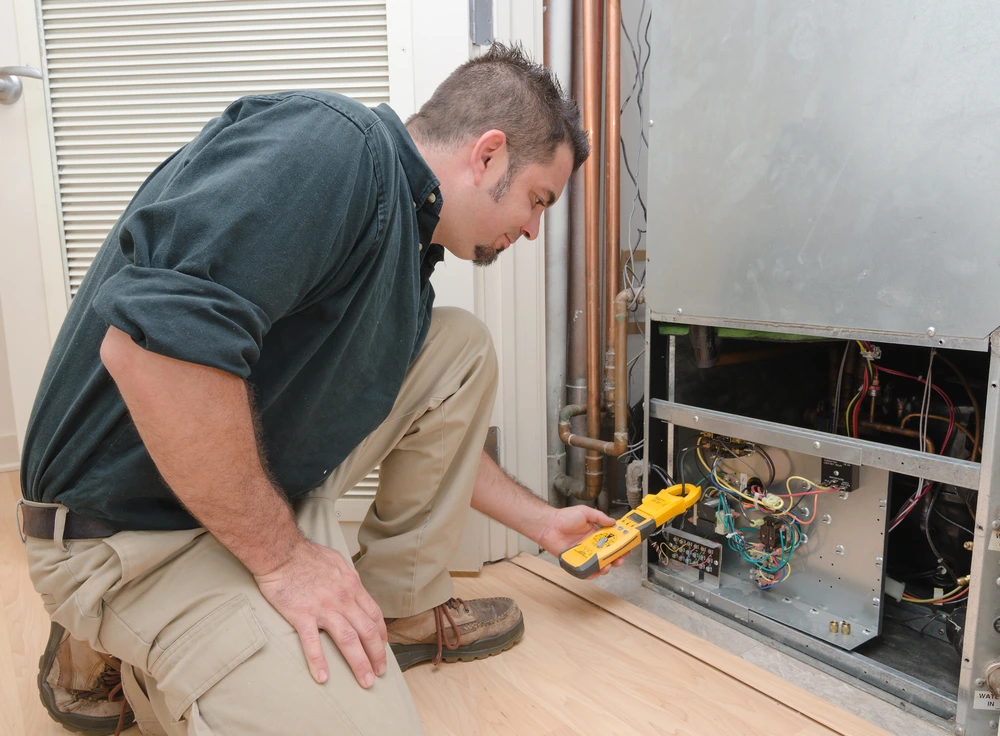
Reliable HVAC operation depends on proactive upkeep rather than reactive repairs. Facilities managing controlled environments require stable temperatures, balanced airflow, and predictable energy behavior. A commercial refrigeration company operating alongside HVAC systems understands how preventive care protects performance consistency. When maintenance planning reflects real operational demands, system reliability remains steady through seasonal and workload changes.
Preventive Care Strengthening System Reliability
Preventive maintenance builds reliability by correcting small inefficiencies before they grow. Regular attention keeps mechanical relationships stable while reducing unnecessary strain. Systems supported through scheduled service experience fewer surprises during high-demand operation.
- Filters remain clean for unrestricted airflow
- Electrical connections stay secure and efficient
- Belts maintain proper tension and alignment
- Sensors provide accurate operational feedback
These practices limit interruptions during critical operating periods. Mechanical wear decreases when components work within intended limits. Reliability improves through steady, predictable system behavior.
Operational Inspections Reducing Hidden Stress
Operational inspections expose internal stress often hidden during normal usage. Technicians assess vibration, airflow resistance, and electrical response patterns. Early identification allows corrections before problems disrupt connected components or building comfort.
- Coils inspected for residue accumulation
- Motors evaluated for vibration irregularities
- Drainage paths cleared to prevent moisture issues
- Control boards checked for response accuracy
Facilities avoid workflow disruptions through timely adjustments. Equipment stability improves when issues are resolved early. Maintenance confidence grows with consistent operational outcomes.
How Does Scheduled Maintenance Prevent Sudden Shutdowns?
Scheduled maintenance disrupts the buildup of unnoticed performance issues. Minor inefficiencies can silently combine into sudden system failures. Planned service resolves these weaknesses before shutdowns occur. Heating and cooling cycles remain steady instead of fluctuating unexpectedly. Predictable care supports dependable system availability.
Energy Management Through Routine Calibration
Routine calibration keeps HVAC output aligned with actual building conditions. Systems lacking calibration often consume excess energy while delivering uneven comfort. Fine adjustments restore balance between demand, airflow, and temperature control.
- Thermostats calibrated for accurate temperature control
- Dampers adjusted for proper air distribution
- Pressure levels balanced across zones
- Fan speeds matched to system demand
Energy use stabilizes as systems stop overcompensating. Comfort remains consistent without excessive cycling. Efficiency becomes part of everyday operation.
Is Maintenance Still Valuable For Newer HVAC Installations?
New installations benefit from maintenance as operating patterns develop. Initial factory settings rarely match real-world usage conditions. Early service refines performance as demands become clearer. A Commercial refrigeration company supporting cooling-intensive facilities applies similar preventive discipline. Proactive care protects efficiency while extending long-term system value.
Environmental Control Supporting Business Operations
Consistent environmental conditions help sustain efficiency, safety, and equipment longevity. Sudden temperature changes can interrupt operations and affect comfort levels. Regular maintenance keeps air circulation, moisture balance, and temperature steady.
- Air quality maintained for occupant comfort
- Humidity levels controlled to prevent corrosion
- Temperature consistency protecting sensitive equipment
- Ventilation balanced for health compliance
Comfort improves when systems respond smoothly. Distractions linked to climate issues decrease significantly. Reliable conditions support focused daily operations.
What Role Does Maintenance Play In Reducing Repair Costs?
Maintenance reduces repair costs by limiting large-scale component failures. Early part replacement costs less than emergency breakdown recovery. Service efforts prioritize preservation over disruption. Budget planning improves when expenses remain predictable and controlled.
Long-Term Equipment Health And Operational Confidence
Consistent maintenance preserves equipment health across extended operating cycles. HVAC systems respond reliably even under sustained demand. Teams experience fewer interruptions tied to comfort issues. Confidence strengthens when climate control remains stable and dependable.
